by CPI Staff | Nov 6, 2026 | Blog, Cloud Cost & FinOps, Microsoft Copilot, Microsoft Fabric
In this blog post How a Separate Fabric Copilot Capacity Improves AI Chargeback, we will explain how to isolate Copilot consumption, protect important analytics workloads and allocate AI costs fairly across business units. Many organisations enable Copilot in...
by CPI Staff | Oct 26, 2026 | Azure Security, Blog, Cybersecurity, Microsoft Fabric
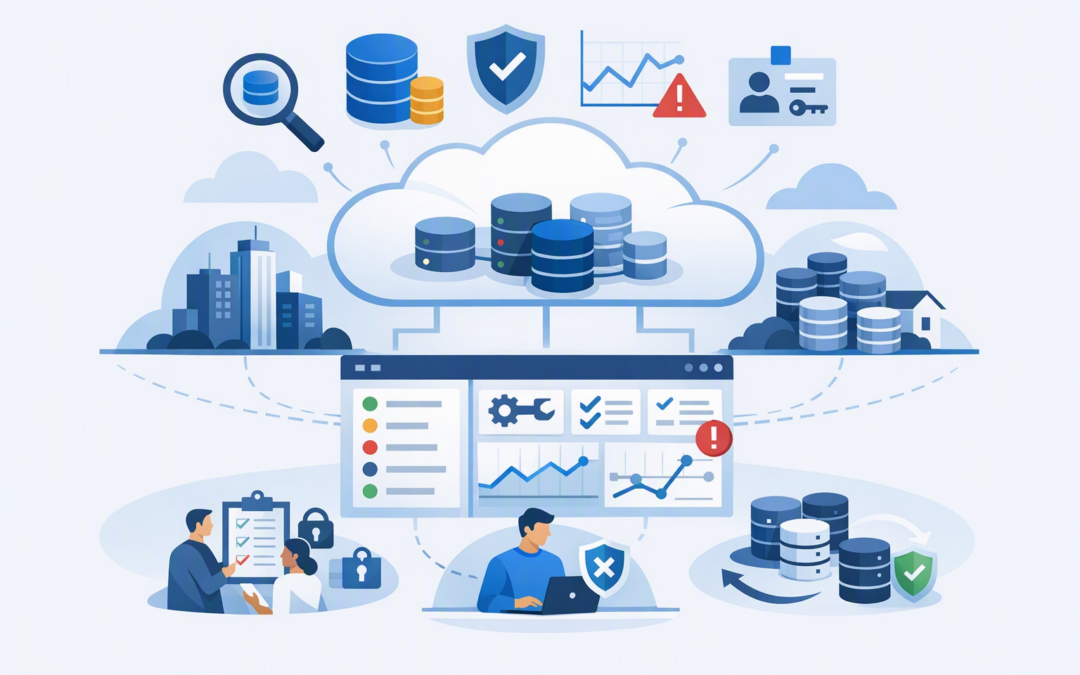
In this blog post How Microsoft Fabric Database Hub Helps Secure Your Database Estate we will explain how to gain a clearer view of database risk, prioritise problems and build a practical security process around Microsoft Fabric. If someone asked which databases hold...
by CPI Staff | Oct 25, 2026 | Azure, Blog, Microsoft Fabric, SQL Server
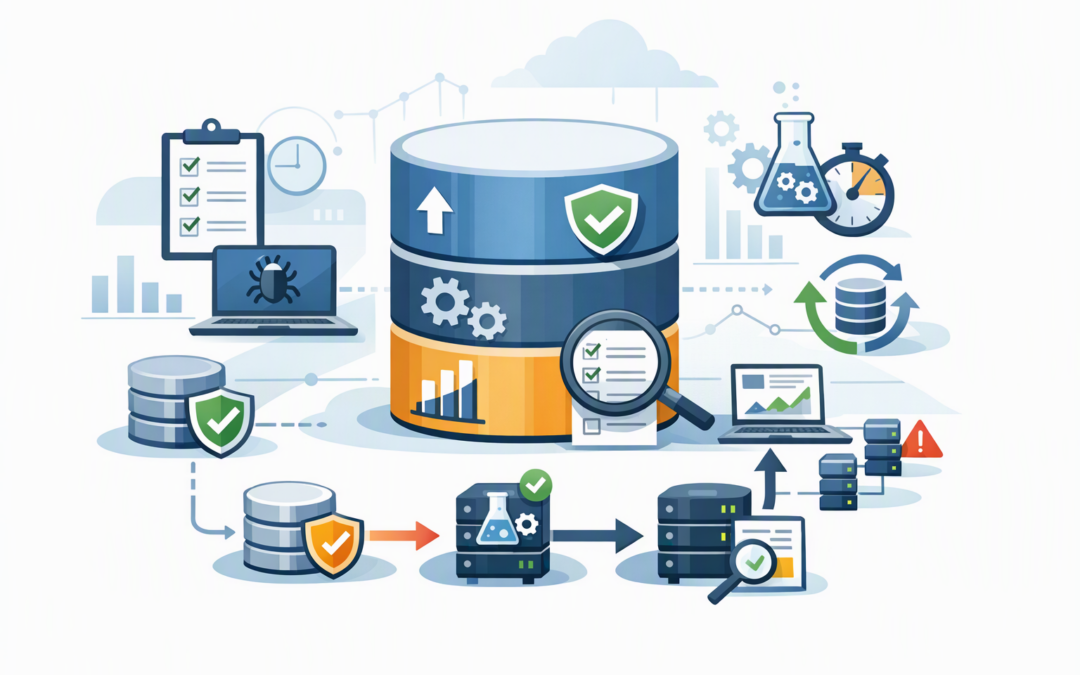
In this blog post SQL Server 2025 CU10 Patching and Azure SQL Monitoring Playbook we will show you how to patch safely, verify the result and build alerts that identify trouble before users start calling. The business problem is familiar. A critical database needs...
by CPI Staff | Oct 24, 2026 | Azure, Blog, Microsoft Fabric, SQL Server
In this blog post SQL Server 2025 CU10 and Azure SQL Alerts for Safer Operations we will explain how to patch critical database servers without creating unnecessary downtime, then improve monitoring so problems are detected before they affect the business. For many...
by CPI Staff | Oct 15, 2026 | Azure, Blog, Cloud Cost & FinOps, Microsoft Fabric
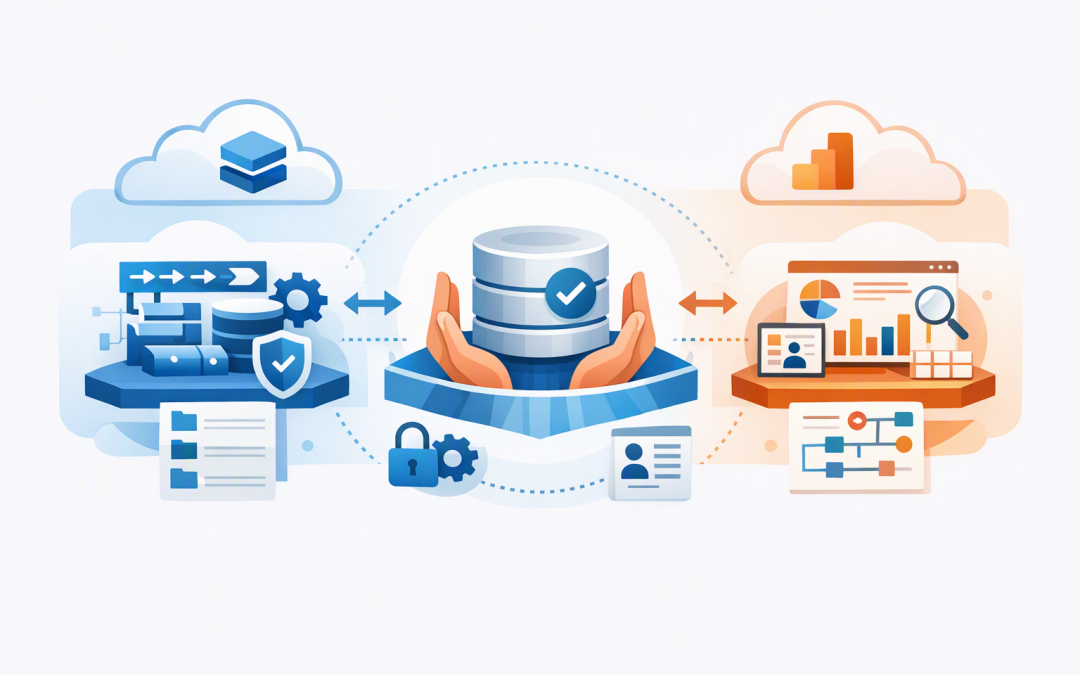
In this blog post Fabric and Azure Databricks Together Who Owns What in Practice we will explain how to use both platforms without duplicating work, weakening security or paying twice for the same capability. This problem often begins quietly. One team builds data...
by CPI Staff | Oct 12, 2026 | AI Agents, AI Governance & Risk Management, Blog, Microsoft Fabric
In this blog post How Fabric IQ Grounds AI Agents in Trusted Business Data Safely we will explain how organisations can stop AI agents guessing what their data means and start giving them governed, business-ready context. This matters because most companies do not...