by CPI Staff | Oct 12, 2026 | AI Agents, AI Governance & Risk Management, Blog, Cybersecurity Strategy & Governance
In this blog post Building Human Approval into High-Risk AI Agent Actions Safely we will explain how to let AI agents complete routine work while requiring a person to approve actions that could create serious cost, security, privacy or operational consequences. At a...
by CPI Staff | Oct 12, 2026 | AI Governance & Risk Management, Blog, MCP Server, Microsoft Agent Framework
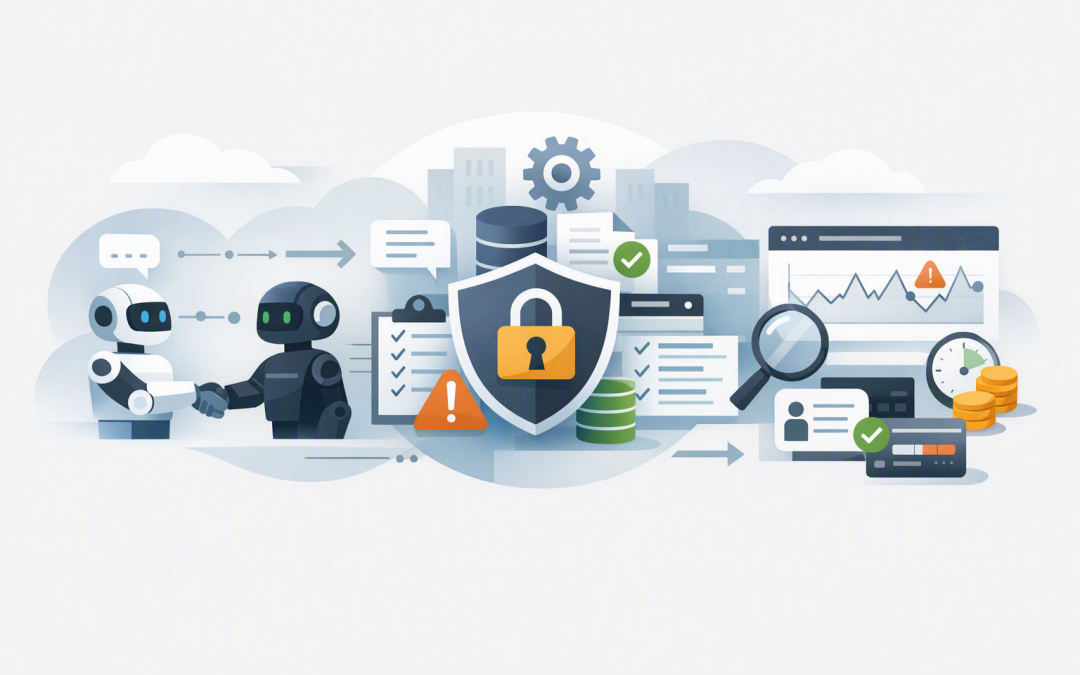
In this blog post Microsoft Agent Framework Production Guide for A2A MCP Governance we will explain what the latest releases change for businesses moving AI agents into production, where the new risks sit, and what technology leaders should review now. Many...
by CPI Staff | Oct 12, 2026 | Agent 365, AI Agents, AI Governance & Risk Management, Blog
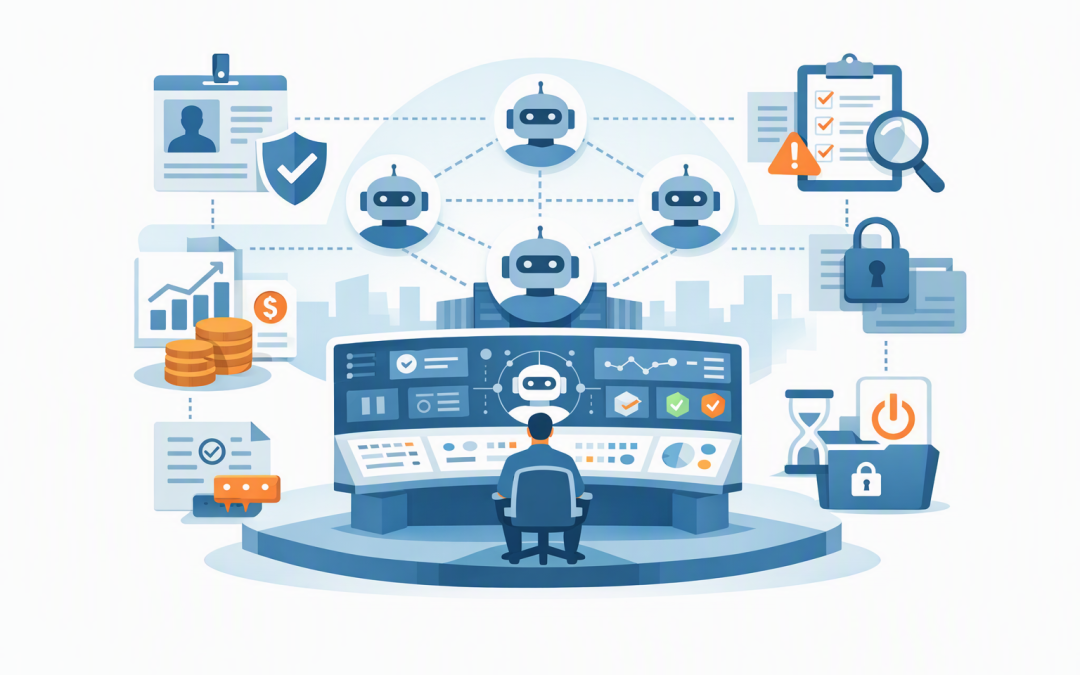
In this blog post How to Design a Secure Control Plane for Enterprise AI Agents we will explain how to manage AI agents before scattered experiments become an expensive security and compliance problem. Most businesses do not lose control of AI through one dramatic...
by CPI Staff | Oct 12, 2026 | AI Agents, Blog, Microsoft Agent Framework, OpenAI
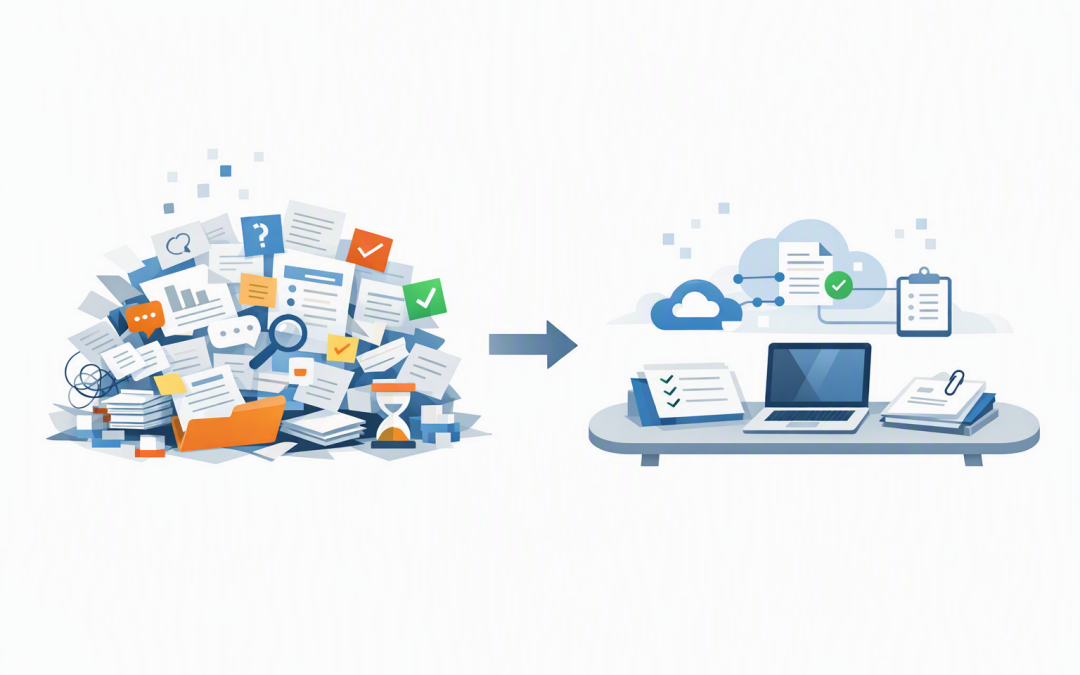
In this blog post How Compaction Keeps Long-Running AI Agent Workflows on Track we will explain how compaction helps business AI continue complex work without becoming slower, more expensive or increasingly confused as its history grows. This matters because an AI...
by CPI Staff | Oct 12, 2026 | AI Agents, AI Governance & Risk Management, Blog, Microsoft AI Foundry
In this blog post Azure AI Agents Reach GA What CIOs Must Assess Before Scaling we will explain what Microsoft’s general availability milestone means, how the platform works, and what technology leaders should review before expanding from one promising agent to an...
by CPI Staff | Oct 12, 2026 | Blog, Email Security, Microsoft 365 Security, Microsoft Purview
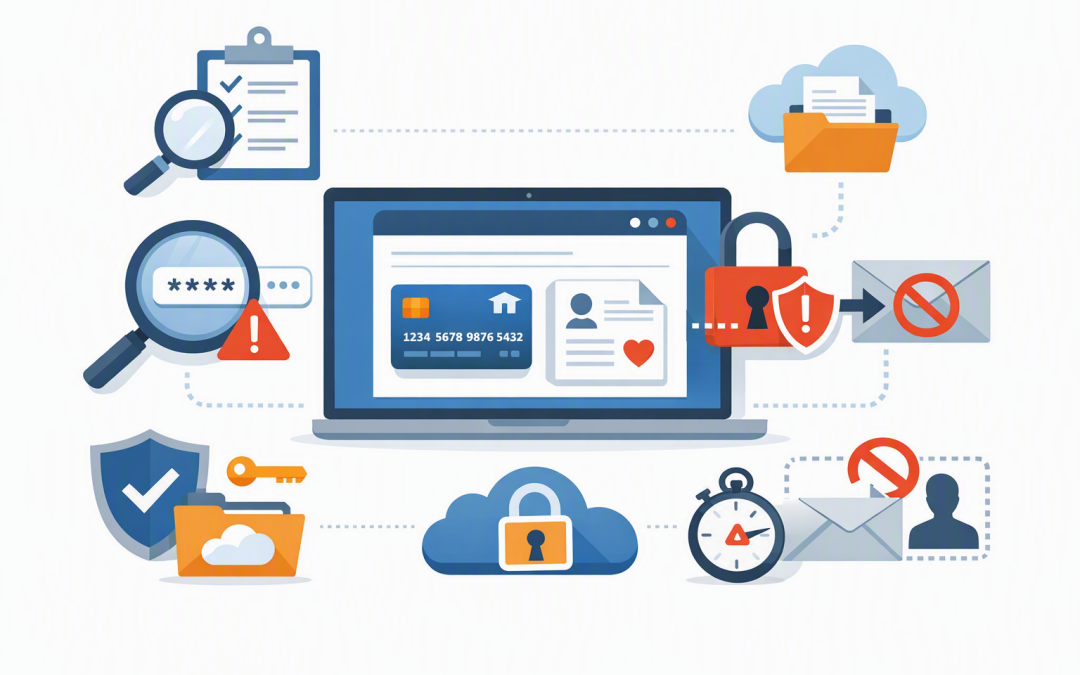
In this blog post Microsoft Purview DLP Stops Passwords and Data Leaks by Email we will explain how to prevent employees from accidentally emailing passwords, financial records and other confidential information to the wrong person. The problem is rarely a malicious...