by CPI Staff | Oct 12, 2026 | Blog, LLM, RAG
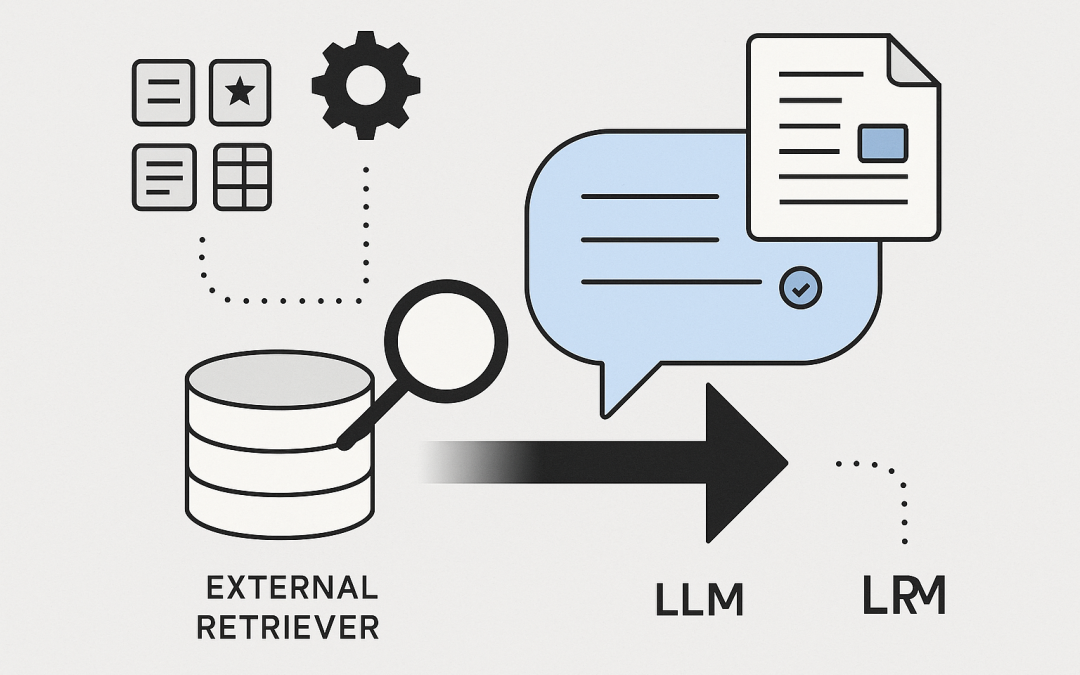
In this blog post Architecture of RAG Building Reliable Retrieval Augmented AI we will unpack how Retrieval Augmented Generation works, what to build first, and how to run it reliably in production. Retrieval Augmented Generation (RAG) combines a large language model...
by CPI Staff | Oct 12, 2026 | AI, Blog, LLM, RAG
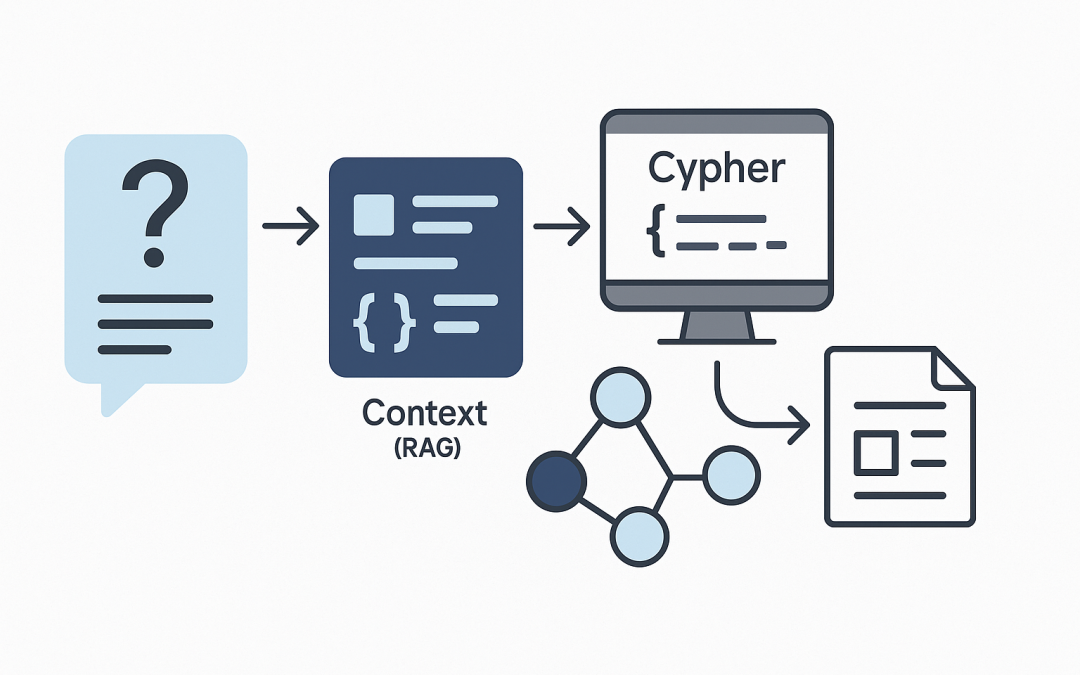
In this blog post Use Text2Cypher with RAG for dependable graph-based answers today we will show how to turn natural-language questions into precise Cypher queries and reliable answers over your graph data. Before diving into code, let’s clarify the idea. Text2Cypher...
by CPI Staff | Oct 12, 2026 | AI, Blog, LLM
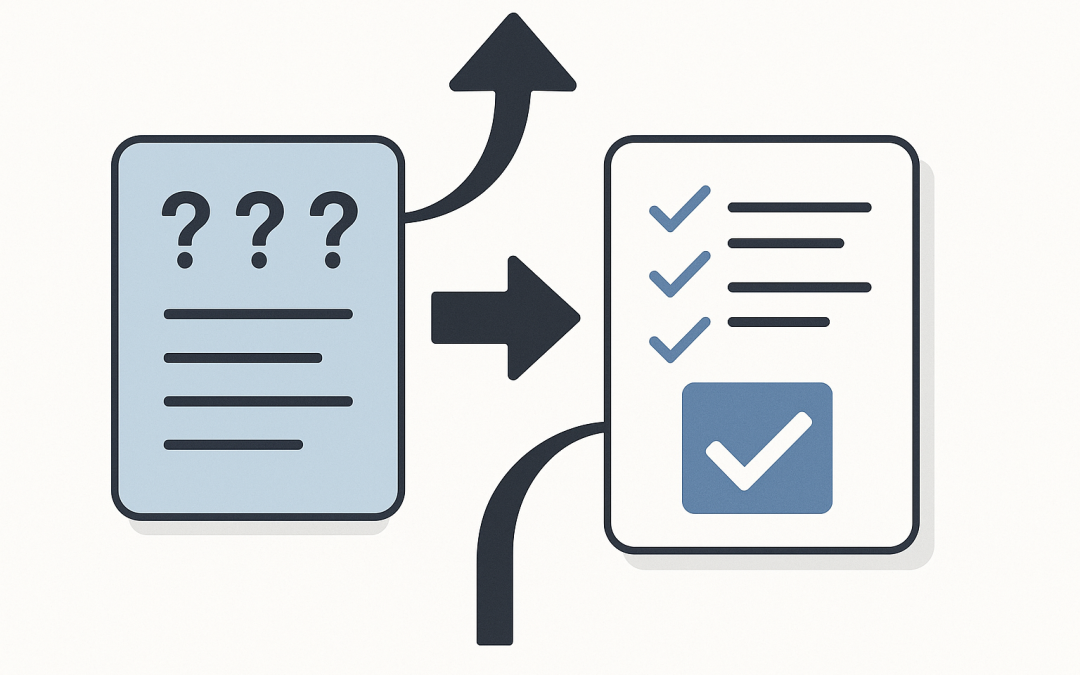
In this blog post Step-back prompting explained and why it beats zero-shot for LLMs we will explore a simple technique that reliably improves reasoning quality from large language models (LLMs) without adding new tools or data. At a high level, step-back prompting...
by CPI Staff | Oct 12, 2026 | AI, Blog, LLM
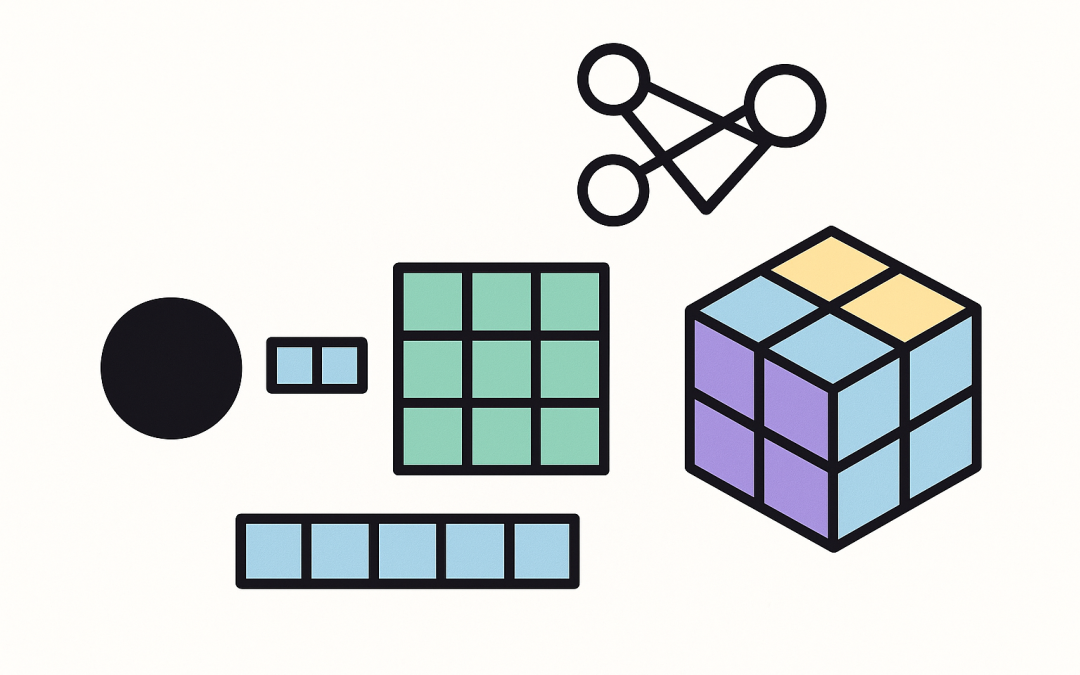
In this post “What Are Tensors in AI and Large Language Models (LLMs)?”, we’ll explore what tensors are, how they are used in AI and LLMs, and why they matter for organizations looking to leverage machine learning effectively. Artificial Intelligence (AI)...
by CPI Staff | Oct 12, 2026 | AI, Blog, LLM
in this blog post “What is Supervised Fine-Tuning (SFT)” we will unpack what supervised fine-tuning is, when it’s the right tool, how it works under the hood, and how to run a robust SFT project end-to-end—from data to deployment. What is Supervised...
by CPI Staff | Oct 12, 2026 | AI, Blog, LLM
In this post, “LLM Self-Attention Mechanism Explained”we’ll break down how self-attention works, why it’s important, and how to implement it with code examples. Self-attention is one of the core components powering Large Language Models (LLMs) like GPT,...