by CPI Staff | Jun 1, 2026 | AI Governance & Risk Management, AI Vendor Selection & Implementation, Blog, C#
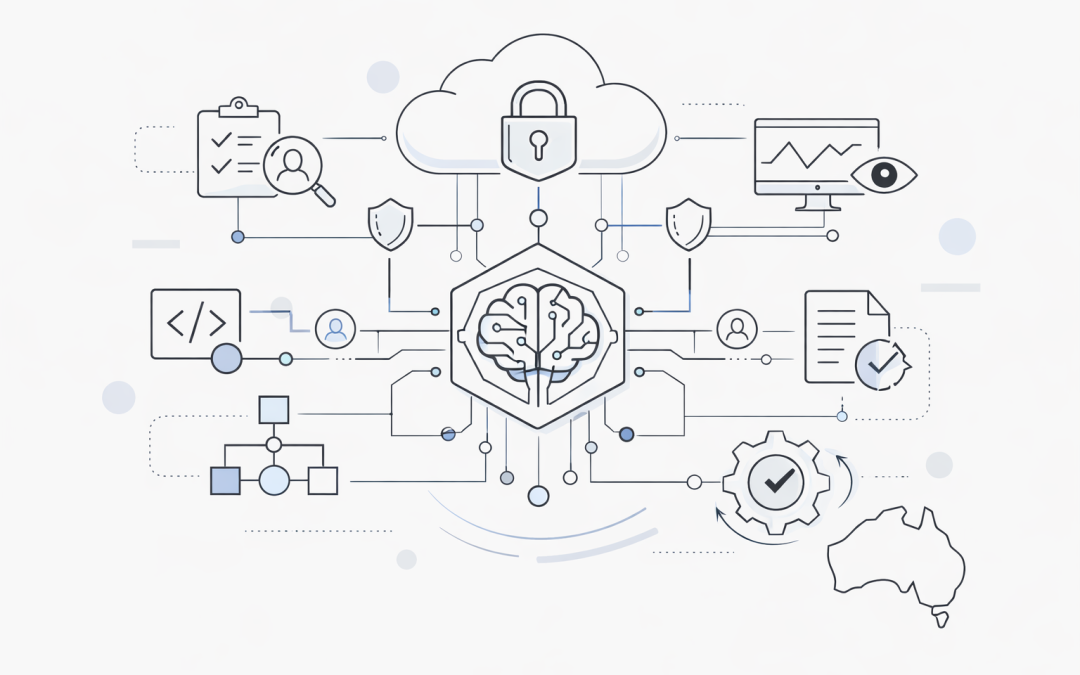
Anthropic’s Claude Opus 4.8 is now available in Microsoft Azure AI Foundry, giving organisations another frontier model option inside the Azure ecosystem. For Australian businesses already standardising on Microsoft cloud services, this matters for a simple reason: AI...
by CPI Staff | Jun 1, 2026 | AI for Business & AI Strategy, AI Governance & Risk Management, Blog, C#
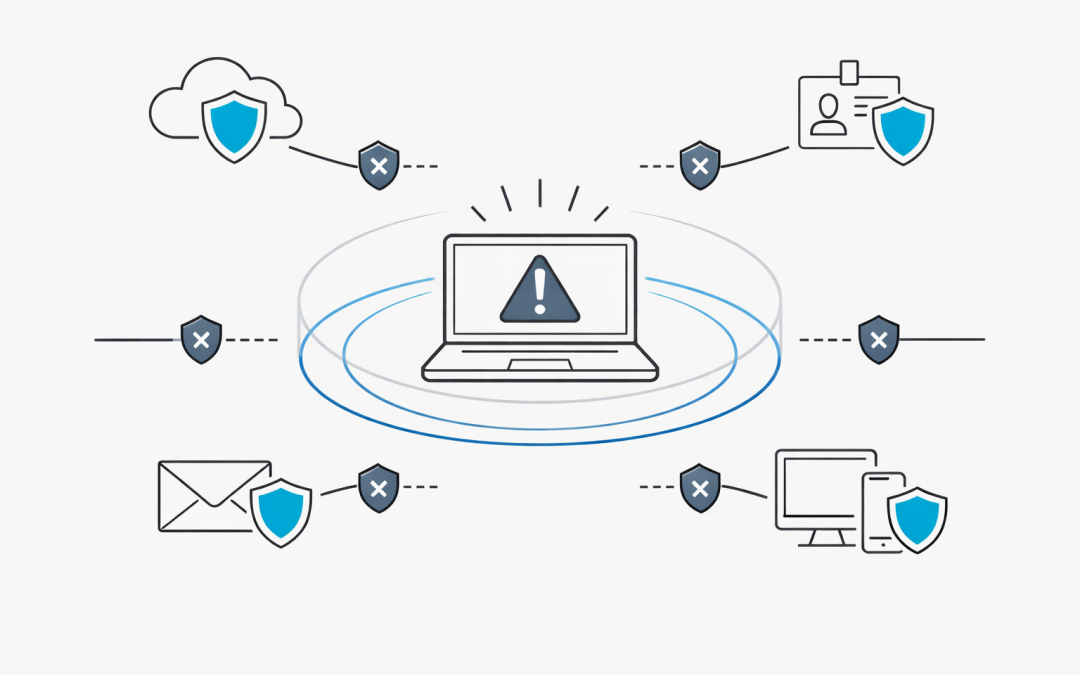
When a device is compromised, every minute matters. For many Australian organisations, the hardest part of incident response is not detecting that something is wrong. It is acting quickly enough to stop the attack spreading while still keeping enough visibility to...
by CPI Staff | Jun 1, 2026 | AI for Business & AI Strategy, AI Governance & Risk Management, Blog, C#
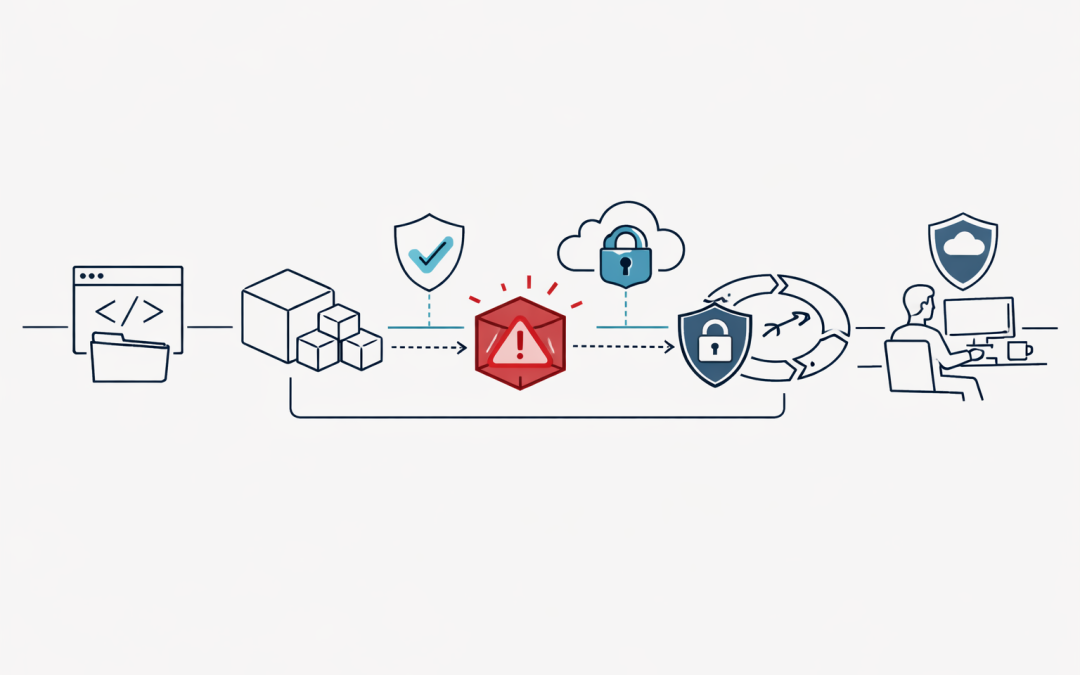
Software supply chain attacks are no longer a theoretical risk for development teams. They are now a practical business risk that can expose credentials, disrupt delivery, leak source code, and create regulatory headaches within minutes. For Australian organisations...
by CPI Staff | May 28, 2026 | AI Governance & Risk Management, Blog, C#
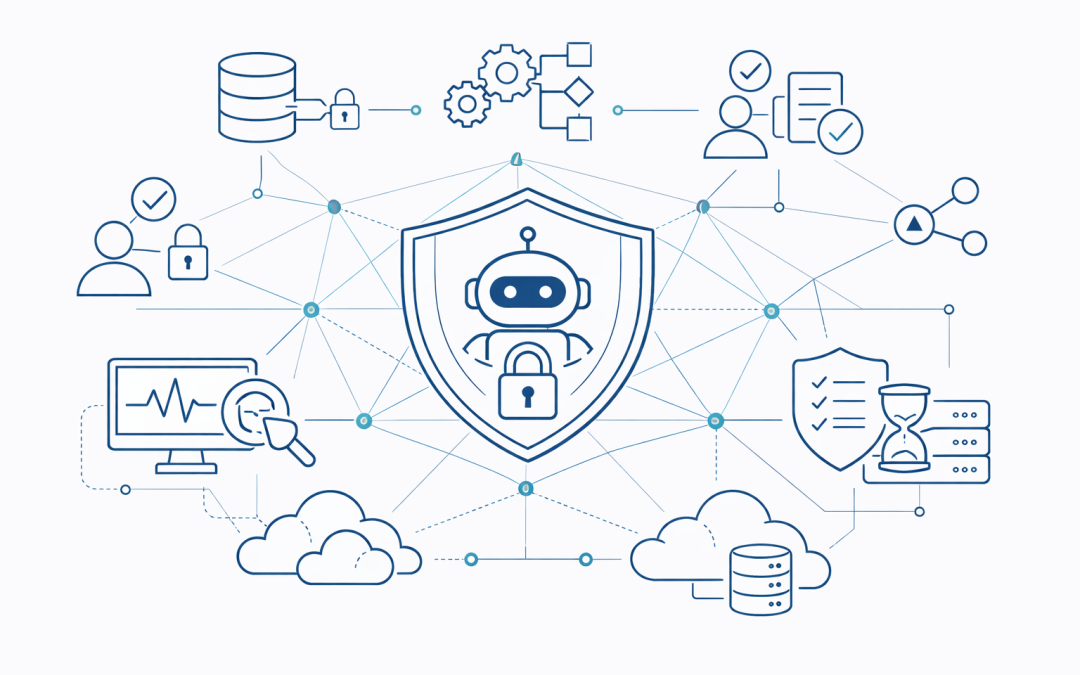
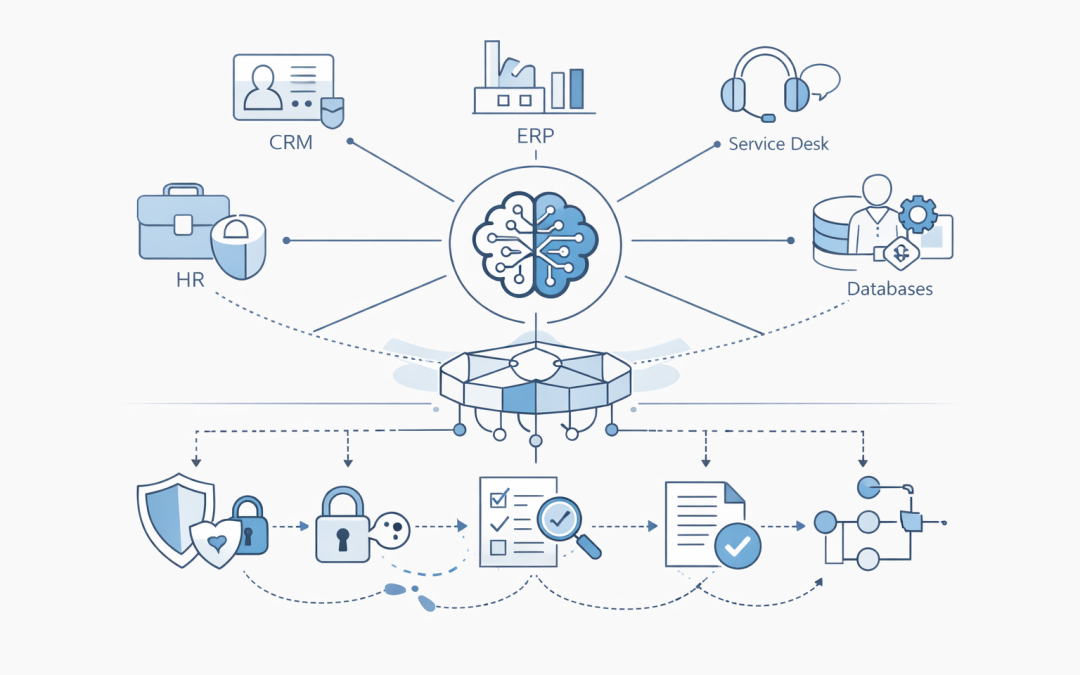
AI agents are moving from demos into production workflows. They can read documents, call APIs, query databases, create tickets, summarise customer history, and trigger business processes. That power creates a new infrastructure problem for Australian organisations: an...
by CPI Staff | May 28, 2026 | AI for Business & AI Strategy, AI Governance & Risk Management, Blog, C#
AI agents are moving from proof of concept to production planning. For many Australian organisations, the question is no longer whether an agent can answer a question. The harder question is whether it can safely do useful work across the systems the business already...
by CPI Staff | May 1, 2025 | .NET, AI, Blazor, Blog, C#, OpenAI
In this blog post, we’ll show you how to Build a Blazor .NET App that Recognizes Images with OpenAI. You’ll see how we securely upload image files, send them to OpenAI’s API, and return a natural-language response—seamlessly integrated into a modern web interface....