by CPI Staff | Oct 12, 2026 | AI, Blog, LLM, PyTorch
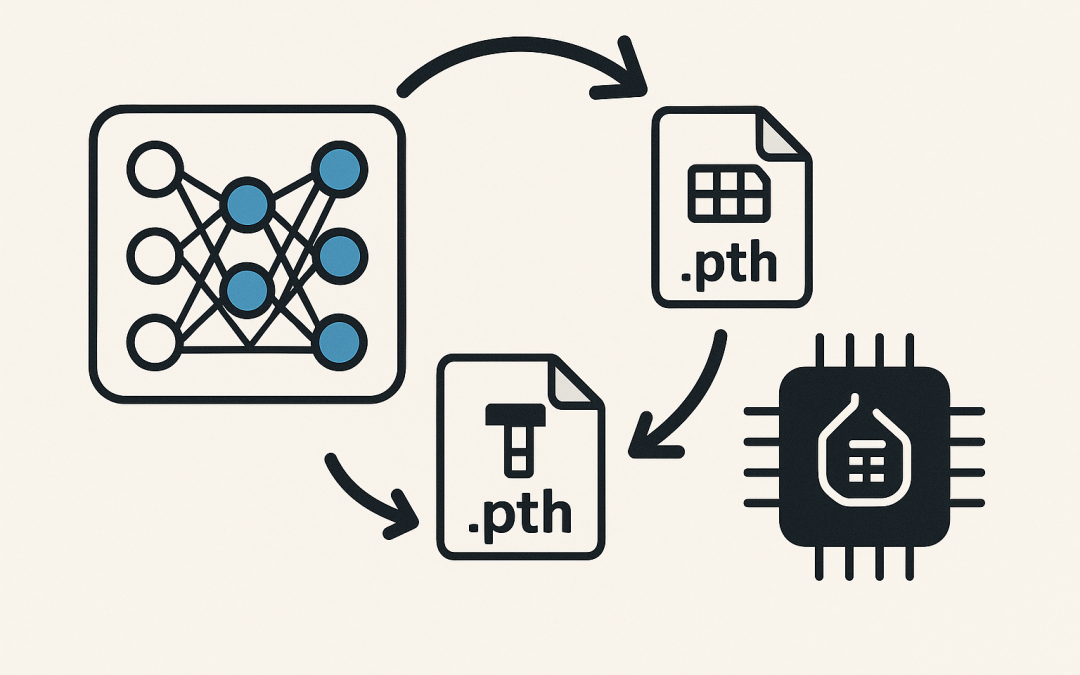
In this blog post Best Practices for Loading and Saving PyTorch Weights in Production we will map out the practical ways to persist and restore your models without surprises. Whether you build models or manage teams shipping them, understanding how PyTorch saves...
by CPI Staff | Oct 12, 2026 | Blog, LLM, RAG
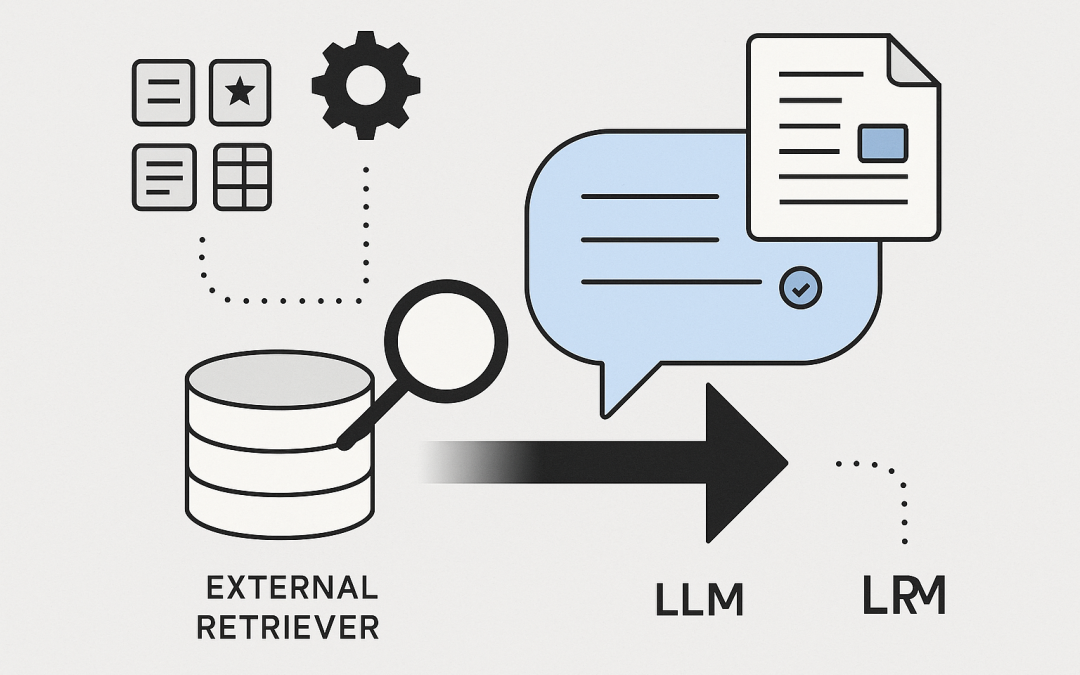
In this blog post Architecture of RAG Building Reliable Retrieval Augmented AI we will unpack how Retrieval Augmented Generation works, what to build first, and how to run it reliably in production. Retrieval Augmented Generation (RAG) combines a large language model...
by CPI Staff | Oct 12, 2026 | AI, Blog, LLM, RAG
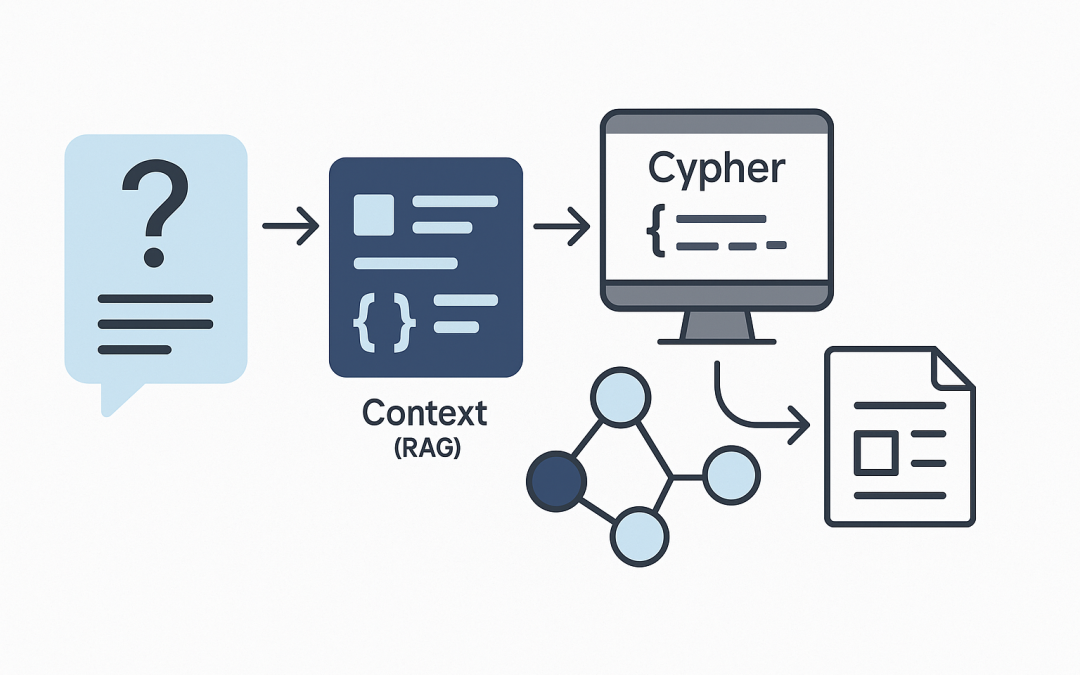
In this blog post Use Text2Cypher with RAG for dependable graph-based answers today we will show how to turn natural-language questions into precise Cypher queries and reliable answers over your graph data. Before diving into code, let’s clarify the idea. Text2Cypher...
by CPI Staff | Oct 12, 2026 | AI, Blog, Neo4j
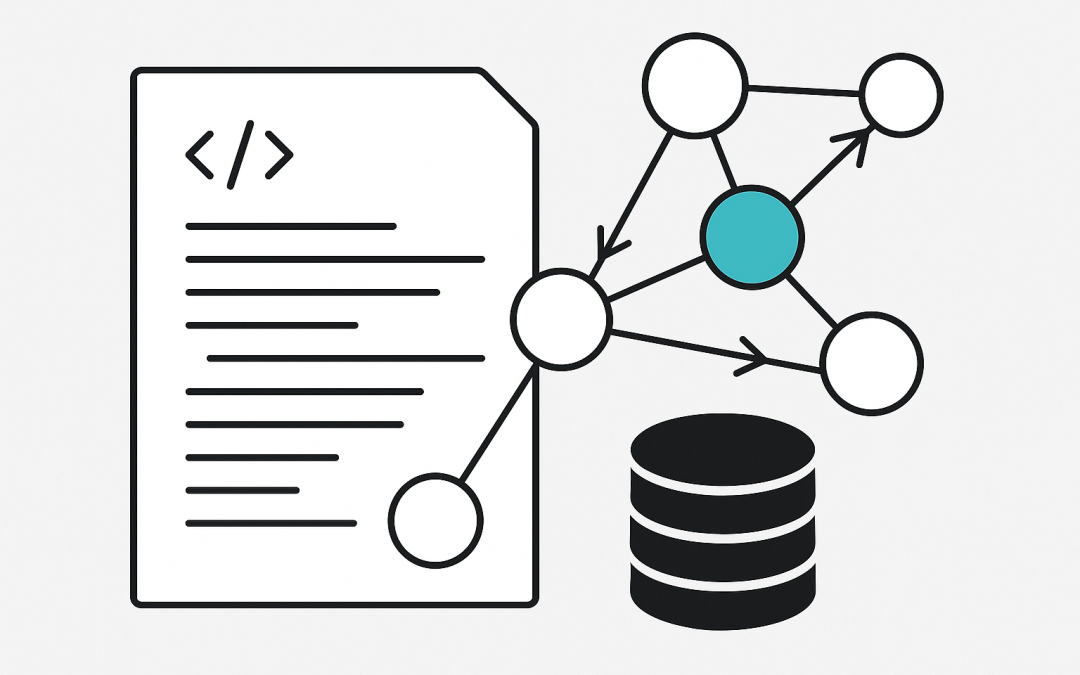
In this blog post What Are Cypher Queries and How They Power Graph Databases at Scale we will unpack what Cypher is, why it matters, and how to use it effectively. We will keep things practical, with examples and tips you can apply today. Cypher in a nutshell Cypher...
by CPI Staff | Oct 12, 2026 | Blog, Neo4j
In this blog post Create a Blank Neo4j Instance Safely on Docker, VM, or Kubernetes we will walk through how to spin up a clean, secure Neo4j deployment on Docker, a Linux VM, or Kubernetes, and why each step matters. Create a Blank Neo4j Instance Safely on Docker,...
by CPI Staff | Oct 12, 2026 | Blog, Docker
In this blog post Connecting to a Running Container Terminal in Docker and Kubernetes we will walk through practical, safe ways to open a shell inside a live container, plus the technology that makes it work. Connecting to a running container terminal sounds...